Seller Incentives That Actually Entice Buyers
Seller Incentives That Actually Entice Buyers
(And Which Ones Don’t)
In a market where buyers have more choices and affordability still matters, seller incentives are no longer a sign of weakness—they’re a strategic tool.
The mistake many sellers make is offering incentives that sound generous but don’t change buyer behavior. The incentives that work in 2026 are the ones that reduce friction, lower upfront costs, or remove uncertainty.
Below is a practical breakdown of seller incentives that truly move the needle—and how to use them correctly.
Why Seller Incentives Matter More Now
Buyers today are:
More payment-sensitive
More cautious about condition and future costs
Less willing to stretch just to “win” a home
That doesn’t mean they won’t buy. It means they’re looking for value and confidence.
Seller incentives help bridge the gap between what a buyer wants to pay and what a seller needs to net—without always cutting the price.
1. Closing Cost Credits (One of the Most Effective Incentives)
Closing cost credits remain one of the most powerful incentives because they directly reduce a buyer’s cash out of pocket.
Why buyers love this:
Less cash needed at closing
Easier approval and less financial stress
Feels immediate and tangible
How sellers should use it:
Offer a defined credit (e.g., $5,000–$10,000)
Position it as flexibility for the buyer
Pair it with a strong list price rather than slashing price upfront
Pro tip: Buyers often value a $7,500 credit more than a $7,500 price reduction because it solves a cash problem, not a long-term math problem.
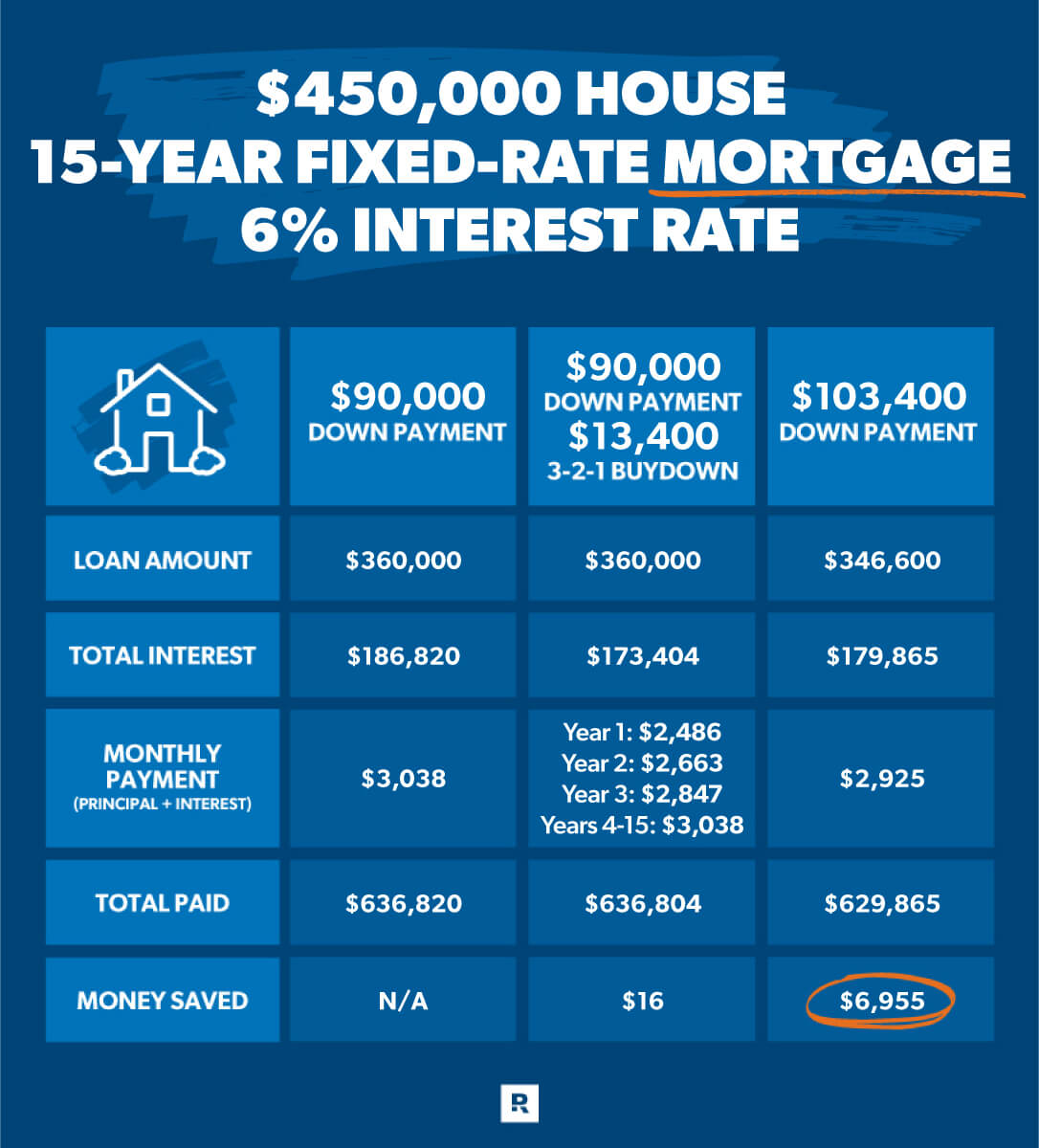
2. Interest Rate Buydowns (When Done Correctly)
Temporary or permanent rate buydowns can significantly reduce a buyer’s monthly payment—especially important in payment-conscious markets.
Common options:
2-1 or 1-0 temporary buydowns
Permanent rate reduction using seller funds
Why this works:
Buyers shop by monthly payment. A lower payment:
Expands the buyer pool
Makes higher prices feel more manageable
Reduces buyer hesitation
When this incentive works best:
When rates are elevated
When buyers are payment-constrained but motivated
When paired with a lender who explains it clearly
Important: This must be structured correctly. Vague promises about “help with rates” don’t entice buyers—clarity does.
3. Pre-Sale Repairs or Repair Credits
Buyers are far less tolerant of “projects” than they were a few years ago.
High-impact repair incentives:
Roof repairs or certification
HVAC servicing or replacement credits
Plumbing or electrical corrections
Addressing inspection red flags in advance
Why this works:
Buyers fear unknown costs more than known ones. Fixing or crediting obvious issues:
Reduces inspection fallout
Builds trust
Prevents renegotiation
Seller mindset shift:
Fixing issues before listing often results in stronger offers, not just smoother closings.
4. Home Warranties (Useful—but Limited)
Home warranties aren’t a deal-maker on their own, but they can help reduce buyer anxiety—especially for first-time buyers.
When they help:
Older homes
Entry-level price points
Nervous or inexperienced buyers
When they don’t:
Luxury properties
Buyers focused on long-term value
Situations where major systems are already questionable
Think of a home warranty as a supporting incentive, not the headline.
5. Flexible Possession or Rent-Back Options
Flexibility can be just as valuable as money.
Buyer-friendly options:
Flexible closing timelines
Seller rent-back periods
Delayed possession
Why this works:
Some buyers are juggling:
Lease endings
Job relocations
School-year timing
Meeting them halfway can push an offer over the edge—without costing the seller much.
6. Covering Transfer Taxes or Specific Fees
In certain areas, transfer taxes or specific fees catch buyers off guard.
Covering them:
Simplifies the transaction
Reduces buyer stress
Makes your offer easier to accept
This incentive works best when clearly stated and itemized.
Incentives That Don’t Entice Buyers (Most of the Time)
Not all incentives are created equal.
Low-impact or outdated incentives:
Furniture or décor credits
Vague “upgrade allowances”
Overly specific repair promises
Incentives that require complex explanations
If a buyer can’t immediately understand the benefit, it usually doesn’t move them.
Incentives vs. Price Reductions: Which Is Better?
This is one of the most common seller questions—and the answer depends on buyer psychology.
Incentives work best when:
Buyers are cash-constrained
Monthly payment is the main concern
The home is priced correctly but needs a nudge
Price reductions work best when:
There is little to no showing activity
The home is clearly overpriced
Buyer feedback consistently points to price
In many cases, a strategic incentive preserves value better than an early price cut.
How to Use Incentives Without Looking Desperate
This matters.
The most effective incentives are:
Pre-planned, not reactive
Clearly defined, not vague
Positioned as buyer-friendly, not seller-driven
Buyers respond to confidence. Incentives should feel like added value, not a concession.
The Bottom Line
Seller incentives in 2026 are not about giving money away—they’re about removing obstacles.
The best incentives:
Lower upfront costs
Reduce monthly payments
Eliminate uncertainty
Make the decision easier for the buyer
When used strategically, incentives can:
Attract more buyers
Strengthen offers
Reduce time on market
Protect your net proceeds
Thinking of a move in 2026?
Before you sign with a realtor who will default to a price reduction, let’s talk about incentive options that make sense for your home, your market, and your goals. A short conversation can help you decide what will actually entice buyers—and what you can skip.
I’m happy to discuss incentive options for your sale. Call or text.
Kim Douthit
Keller Williams Advisors
(513) 520-6091


