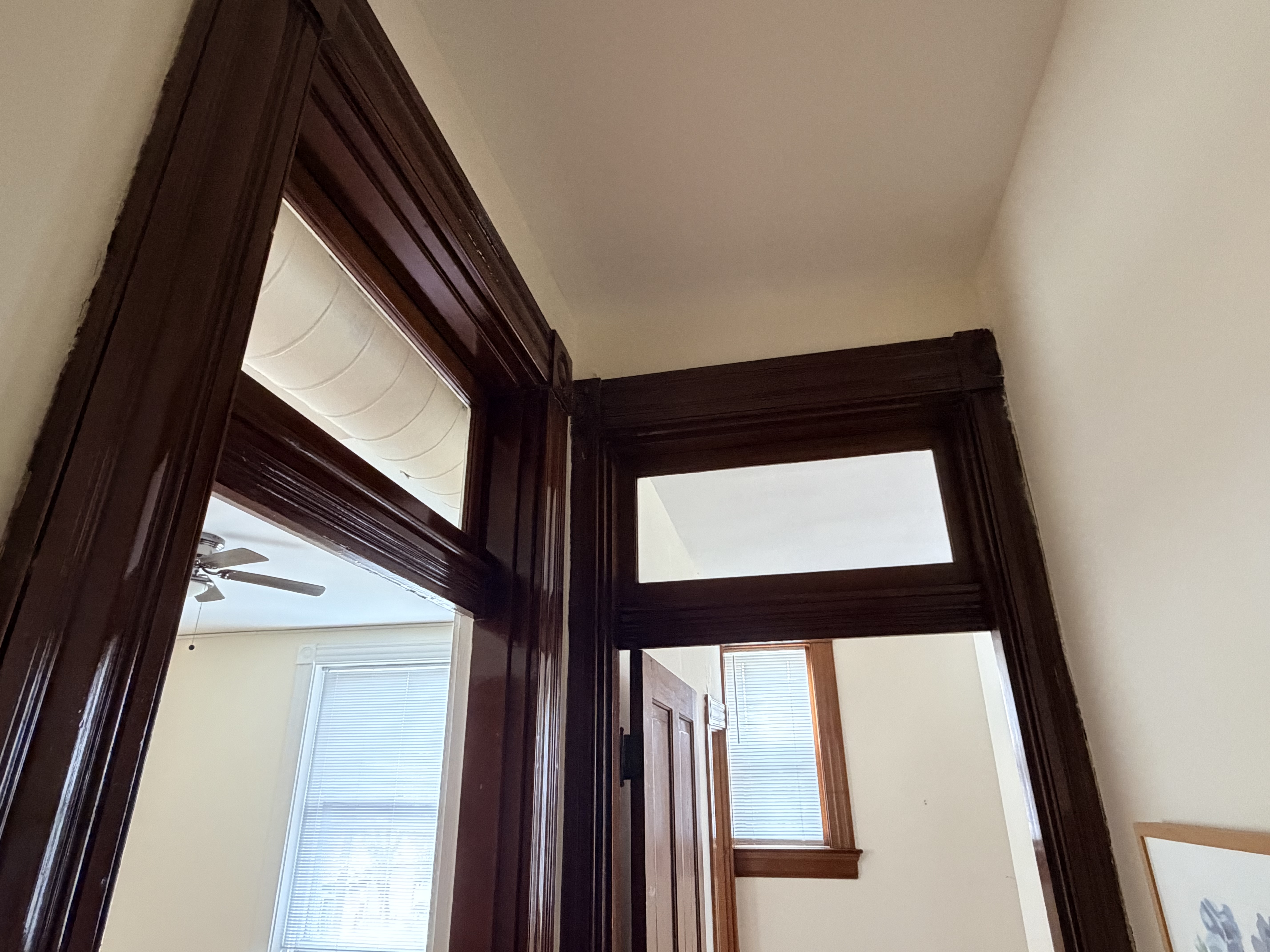
The Window Above the Door: The Story of Transoms in Cincinnati Homes
The Window Above the Door: The Story of Transoms in Cincinnati Homes
If you’ve toured an older home in Cincinnati, you’ve probably noticed the small window sitting above the front door or above the bedroom doors inside. Sometimes it’s plain glass. Sometimes it’s leaded or stained glass. Sometimes it has the house number painted right on it.
That’s a transom window, and it was one of the smartest features in a home before anyone had heard of central air.
What exactly is a transom?
Technically, the transom is the horizontal crossbar between a door and the window above it. In the U.S., “transom” has also become the everyday word for the window itself. The British usually call them fanlights, especially the half-round ones.
A 700-year-old idea
Transoms aren’t a Victorian invention. Their history goes back to the 14th century, when builders used high windows to bring in light and air while keeping out prying eyes. In America, they were especially common from the early 1800s until central air conditioning became widespread in the mid-1970s.
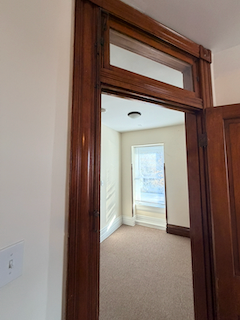
How they worked
Before AC, the transom was part of the home’s cooling system. On exterior walls, homeowners opened the transom along with the window below it, which created a loop of air moving between the high and low openings. Warm air escaped out the top while cooler air came in down low.
Inside the house, transoms over bedroom and office doors let air keep moving even with the doors closed and locked. They also brought daylight into hallways and inner rooms that would otherwise be dark.
Most were opened with a transom operator, a long rod assembly, or a simple cord or chain. If you find a little brass mechanism on the side of an old transom, that’s what it was for.
Why they disappeared
Air conditioning made transoms less necessary, but fire codes are what really ended them in large buildings. In a series of deadly hotel fires in 1946, open transoms let smoke and flames travel from hallways straight into guest rooms. After the Winecoff Hotel fire in Atlanta, investigators linked open transoms to which rooms caught fire, and President Truman called a national conference on fire prevention in 1947. Building codes changed, and the transom faded away.
Why Cincinnati is a transom city
Cincinnati’s 1800s building boom left us with a remarkable collection of homes that still have their original transoms.
Greek Revival homes (about 1835–1860) often have recessed doorways with sidelights and rectangular transoms, and you’ll find them in Over-the-Rhine, other basin neighborhoods and Prospect Hill.
Italianate homes: the city notes that Over-the-Rhine has one of the best collections of Italianate buildings in the country, and many of those tall doorways are topped with transoms.
Our stained-glass history: Cincinnati was once a center of decorative glass. The Riordan company was known as Cincinnati’s first decorative glass maker, and more than 30 Catholic churches in Ohio, most of them in Cincinnati, have Riordan glass. The studio is still operating today in Middletown as BeauVerre Riordan Studios.
Music Hall still has its original 1879 double doors and transom in the south hall back stairway.
Are transoms worth anything today?
For buyers who love older homes, original transoms are a big part of the charm. They tell people the house still has its history. A few tips if you own one:
Keep them. Don’t remove or cover original transoms, especially stained or leaded glass. You can’t easily replace that character.
Bring them back to life. Restoration pros often get painted-shut transoms working again for homeowners who like natural airflow.
Maintain them. Exterior transoms need the same care as any window: paint, glazing and weatherproofing.
Protect them if the house sits empty. Decorative glass is a target for thieves in vacant homes, so keep an eye on it.
Thinking about selling an older home?
Features like transoms, original fireplaces and woodwork are exactly what online estimates can’t see. If you’re wondering how your home’s character affects its price, and what’s worth fixing versus leaving alone, let’s talk.
— Kim Douthit, Keller Williams Advisors | 513-998-5858


