What Happens To Inventory Between Christmas and Mid-January
What Happens to Inventory Between Christmas and Mid-January
If you scroll real estate headlines this time of year, you’ll usually see some version of the same claim: “The market slows down over the holidays.”
That statement isn’t wrong — but it’s incomplete. And when people misunderstand what “slow” actually means, they make poor decisions about timing.
Inventory between Christmas and mid-January doesn’t disappear. It changes. And how it changes matters a great deal for buyers and sellers trying to decide whether to act now or wait.
To understand this period, you have to stop thinking in terms of volume and start thinking in terms of who is active, why they’re active, and what that means for leverage.
Why Inventory Feels Different After Christmas
In the weeks leading up to Christmas, many sellers make a conscious decision to pause. Some pull listings temporarily. Others delay launching altogether. The reasoning is usually practical: they don’t want showings during family gatherings, travel plans, or a season that already feels hectic.
At the same time, new listings slow dramatically. Very few homeowners choose late December as the moment to debut a property unless there is a clear reason they need to move.
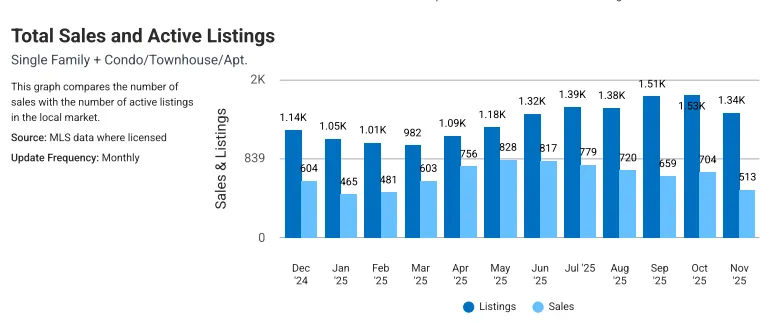
The result is a visible drop in inventory. Fewer homes appear online. Fewer “new” signs go up. To casual observers, it looks like the market has gone dormant.
But that perception misses an important point: the homes that remain available during this period are not random.
What Stays on the Market — and Why
Between Christmas and mid-January, inventory tends to fall into a few distinct categories.
Some homes remain listed because the seller genuinely needs to sell. Job changes, relocations, financial considerations, or completed new construction don’t pause for the holidays. These sellers are often focused on outcomes, not optics.
Other listings stay active because they didn’t sell earlier and the seller is reassessing strategy rather than giving up. These homes may be overpriced, misunderstood, or simply waiting for the right buyer. During a quieter period, they often receive more thoughtful attention than they would in a crowded spring market.
There are also sellers who intentionally choose this window. They know fewer homes will be competing for attention, and they’re comfortable targeting a smaller, more serious buyer pool.
This mix creates an inventory landscape that is smaller, but more intentional.
Why Buyers Misread This Window
Many buyers assume that fewer listings automatically means fewer opportunities. They equate inventory volume with value. If there aren’t many homes to scroll through, they conclude it’s not worth paying attention yet.
What they miss is that opportunity is not strictly a numbers game.
Between Christmas and mid-January, buyer activity also drops — but it drops unevenly. Casual browsers disappear. Tire-kickers take a break. The buyers who remain are usually motivated by real timelines rather than curiosity.
This changes the dynamic around the inventory that does exist. Homes aren’t being lost in a sea of new listings. Sellers aren’t juggling as many showings or offers. Conversations tend to slow down and become more deliberate.
For buyers who are prepared and clear about what they’re looking for, this period can feel surprisingly calm.
The Psychological Shift That Happens in January
As the calendar flips, something subtle but important occurs.
For many sellers, January represents a reset. The holidays are over. Decisions that were postponed now feel unavoidable. Sellers who delayed listing often finalize plans. Others who paused activity reassess pricing, presentation, or strategy.
At the same time, buyers who used the end of the year to think rather than act often return with more clarity. They’re not browsing for entertainment. They’re evaluating options.
Inventory doesn’t surge immediately in early January, but intent increases on both sides. The market begins to wake up quietly, not explosively.
This is why mid-January is often less chaotic than early spring. Decisions are being made, but without the urgency that comes when everyone feels they must act at once.
What This Means for Buyers
For buyers, this window rewards preparation more than speed.
With fewer listings available, buyers are forced to be honest about what actually matters. They look more carefully at homes instead of assuming something better will appear next week. They ask better questions. They think through trade-offs.
Sellers who are active during this period tend to be responsive and engaged. Negotiations often feel more grounded. There is less posturing and more problem-solving.
This doesn’t mean every buyer should rush to purchase during this time. But it does mean that buyers who stay engaged — even quietly — often gain insight and leverage that disappears once inventory and competition surge later.
What This Means for Sellers
For sellers, the smaller inventory pool can work in their favor — if expectations are realistic.
Homes listed during this period don’t benefit from sheer volume of showings, but they do benefit from focus. Buyers who are active are paying attention. They are more likely to schedule showings promptly and follow through.
Sellers also gain valuable information. Pricing feedback arrives quickly. Buyer reactions are clearer. If adjustments are needed, they can be made before the busier months arrive.
For some sellers, listing now isn’t about selling immediately. It’s about positioning correctly before activity increases. That early positioning often pays off later.
Why “Waiting for Spring” Isn’t a Strategy
Many buyers and sellers default to the idea that spring will fix everything — more listings, more buyers, better outcomes.
Spring does bring volume. It also brings competition, noise, and pressure.
The decisions made between Christmas and mid-January often shape how successful someone is later. Buyers who use this time to clarify priorities and understand inventory move more confidently when options expand. Sellers who prepare or list early often avoid the frantic adjustments that come with crowded markets.
Waiting isn’t wrong. Waiting without engagement is.
The Bottom Line
Inventory between Christmas and mid-January doesn’t vanish. It condenses and clarifies.
Fewer homes are available, but the ones that are tend to be connected to real decisions. Fewer people are shopping, but the ones who are tend to be serious. The market is quieter, not dead — and quieter markets reward clarity.
For anyone considering a move, this period is less about action and more about understanding. Paying attention now often leads to better decisions later.
And in real estate, better decisions matter far more than perfect timing.
— Kim Douthit
Realtor, KW Relocation Cincinnati
📞 513-520-6091 | ✉️ [email protected]


