5 Upgrades for 2026 that Pay Off
5 Upgrades That Can Add $10K+ to Your Sale Price in 2026
(And which upgrades are a waste of money)
If you’re planning to sell your home in 2026, here’s the truth most sellers don’t want to hear:
Not all upgrades pay off anymore.
In a market where buyers are more cautious, interest rates still affect affordability, and inventory is no longer razor-thin everywhere, buyers are selective. They’re not paying extra for cosmetic fluff—but they will pay for the right upgrades when those upgrades reduce friction, uncertainty, or future expense.
Below are five upgrades that consistently move the needle, attract stronger offers, and—when done correctly—can add $10,000 or more to your sale price or net outcome.
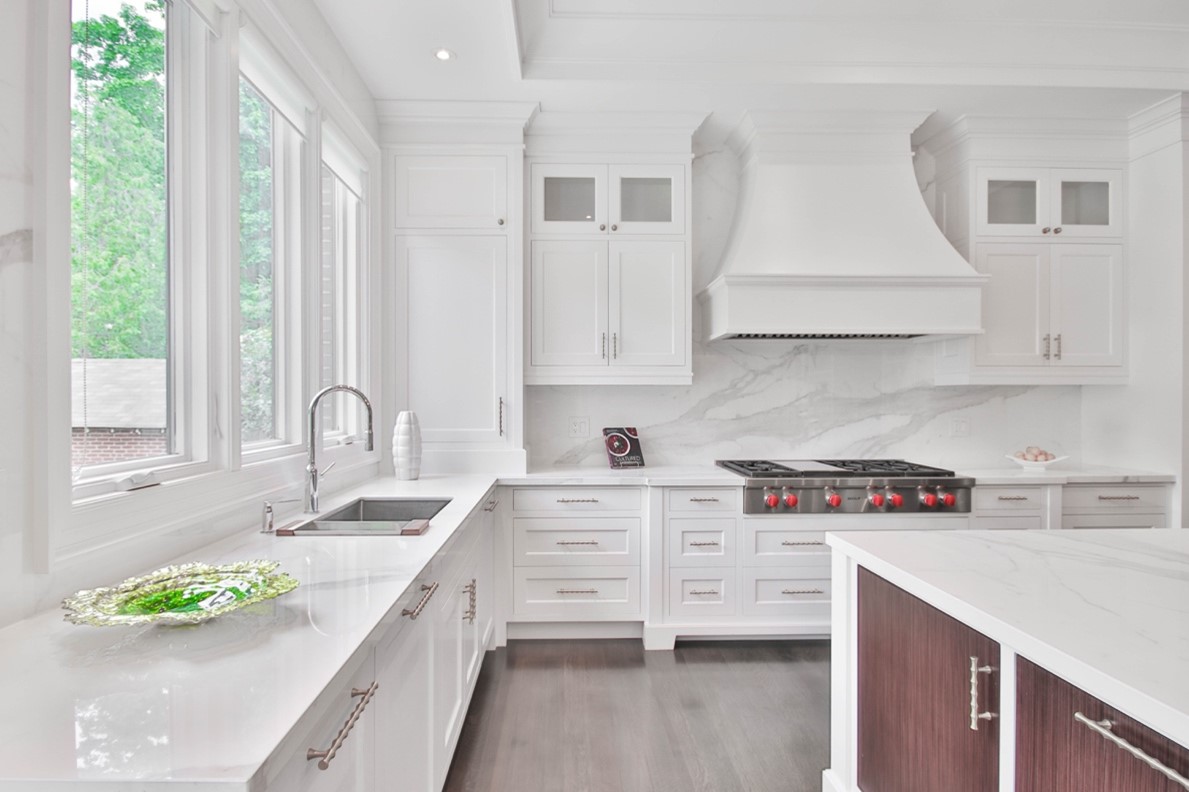
1. Kitchen Improvements That Signal “Move-In Ready” (Not a Full Remodel)
You do not need a full kitchen gut job to win buyers in 2026. In fact, oversized remodels often fail to return dollar-for-dollar.
What buyers want instead is confidence.
High-impact kitchen upgrades:
Quartz or solid-surface countertops
Refreshed cabinet fronts or professionally painted cabinets
Updated hardware (yes, it matters)
Modern, neutral backsplash
Stainless or panel-ready appliances in good condition
Why this works:
Buyers mentally price in hassle. When a kitchen looks like a project—even if it’s functional—buyers discount the home aggressively. When it looks clean, modern, and cohesive, buyers stop negotiating and start competing.
Seller mistakes to avoid:
Luxury finishes that don’t match the price point or neighborhood. You’re upgrading to attract buyers—not impress Instagram.
2. Bathroom Updates That Remove Objections (Especially the Primary Bath)
Bathrooms don’t need to be spa resorts. They need to feel clean, modern, and low-maintenance.
Focus on:
New vanity with storage
Updated lighting and mirrors
Fresh tile or re-grouted surfaces
Frameless glass shower doors
Updated fixtures with a consistent finish
Why this works:
Bathrooms are emotional spaces. Buyers imagine daily routines here. Outdated or worn bathrooms trigger hesitation—and hesitation costs you money.
In many price ranges, one well-done primary bath upgrade can outperform multiple cosmetic upgrades elsewhere.
3. Energy-Efficient Improvements Buyers Can Feel Immediately
In 2026, energy efficiency isn’t a “nice-to-have.” It’s part of the buying decision—especially with monthly payments still top of mind.
Upgrades that buyers understand:
Smart thermostats
Improved insulation (especially attic and crawlspace)
Energy-efficient windows or professionally serviced existing windows
High-efficiency HVAC servicing or replacement (when appropriate)
Why this works:
Buyers care less about your utility bills and more about predictability. Energy upgrades signal that the home has been cared for—and that ownership won’t bring surprises.
Bonus: These upgrades often reduce buyer pushback during inspections.
4. Exterior & Curb Appeal That Sets Expectations Before the Door Opens
Buyers form opinions before they step inside—and those opinions influence how much they’re willing to offer.
High-ROI exterior upgrades:
Fresh, neutral exterior paint (or power washing if paint is solid)
Updated front door or door hardware
Clean, intentional landscaping (not overgrown, not bare)
Exterior lighting that feels safe and welcoming
Why this works:
Curb appeal isn’t about beauty—it’s about expectation management. When the exterior feels neglected, buyers assume the interior is too. When the exterior feels cared for, buyers walk in primed to like the home.
This upgrade alone often shifts a home from “we’ll see” to “we should write an offer.”
5. Pre-Sale Repairs That Eliminate Negotiation Leverage
This one isn’t glamorous—but it’s powerful.
Repairs that matter most:
Roof issues (even minor ones)
Electrical panel updates when outdated
Plumbing leaks or visible corrosion
Foundation or drainage red flags
HVAC servicing with documentation
Why this works:
In 2026, buyers are cautious. When inspections uncover obvious issues, buyers don’t just ask for credits—they ask for discounts, contingencies, or they walk.
Fixing known issues before listing removes buyer leverage and often results in cleaner offers with fewer concessions.
What Doesn’t Add Value in 2026 (Save Your Money)
Some upgrades used to work. Many no longer do.
Over-customized renovations
Trendy colors or statement tiles
DIY work that looks DIY
Overbuilding beyond neighborhood norms
Luxury upgrades in entry-level price points
If buyers feel like they’ll need to “undo” your upgrade, it doesn’t add value—it subtracts it.
The Real Key: Upgrades Must Match the Market
Here’s the part most blogs skip:
An upgrade only adds value if it aligns with buyer expectations at that price point, in that neighborhood, at that time.
The same $15,000 improvement can:
Add $20,000 in one area
Add $0 in another
Or actually hurt you if misaligned
That’s why upgrade decisions should never be made in isolation.
Final Thought: Strategy Beats Spending
Homes that sell best in 2026 aren’t necessarily the most renovated. They’re the most strategically prepared.
The right upgrades:
Reduce buyer hesitation
Shorten time on market
Strengthen offers
Protect your bottom line
If you’re considering selling in 2026, the smartest move isn’t guessing which upgrades might work—it’s getting a market-specific upgrade strategy before you spend a dollar.
Planning a move in 2026?
I’m happy to walk through any renovation ideas you’re considering and help you decide what’s worth doing to maximize your return when it’s time to sell.
Kim Douthit
Keller Williams Advisors
(513) 520-6091


